
What Is IT Asset Disposition (ITAD)?

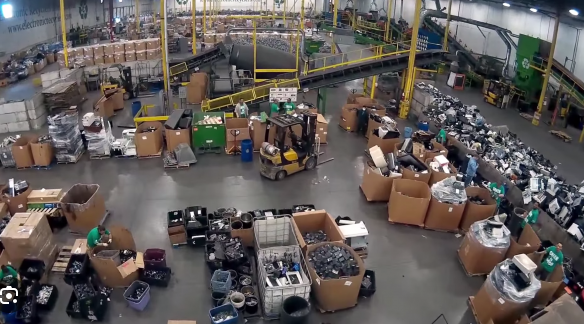
IT Asset Disposition (ITAD) is the process organizations use to retire old or unused IT equipment responsibly. This includes laptops, desktops, servers, storage devices, networking hardware, mobile phones, and other electronics that are no longer needed. While it may sound like simple disposal, ITAD is actually about security, compliance, cost control, and environmental responsibility.
When IT assets reach the end of their life, they still carry risk. Devices may contain sensitive business data, customer information, or regulated records. At the same time, many of these assets still have resale or reuse value. ITAD exists to manage this transition safely and intelligently, rather than treating old equipment as junk to be ignored.
Why ITAD Matters More Than People Think
Many organizations underestimate the dangers of poor asset disposal. A single hard drive thrown away without proper data destruction can lead to data breaches, legal penalties, and reputational damage. Regulators, auditors, and cyber-insurance providers all expect organizations to prove that retired devices are handled securely.
Beyond security, ITAD also helps organizations answer practical questions:
- What assets do we actually own?
- What can be reused or resold?
- Are we meeting environmental and sustainability commitments?
- Can we prove compliance during an audit?
ITAD turns end-of-life chaos into a controlled, auditable process.
The Key Stages of ITAD
1. Asset Identification and Tracking
The ITAD process starts with knowing exactly what is being retired. Asset tags, serial numbers, models, and ownership details are verified against the asset inventory. This step is critical. If an asset is removed without being recorded, it creates blind spots that auditors and security teams hate.
Strong ITAD programs are tightly connected to asset management systems, ensuring that nothing leaves the organization without documentation.
2. Secure Data Sanitization
Data destruction is the most critical part of ITAD. Any device that has stored data must be sanitized before it leaves organizational control. This is not optional.
Common methods include:
- Software-based data wiping following standards such as those published by NIST
- Cryptographic erasure for encrypted drives
- Physical destruction for failed, damaged, or high-risk media
Simply deleting files or formatting a drive is not enough. Organizations must be able to prove that data is unrecoverable.
3. Reuse, Redeployment, and Resale
Not all retired assets are worthless. Many devices can be reused internally or refurbished and deployed to departments with lighter requirements. Others can be refurbished and sold on secondary markets.
This step delivers real business value. Resale offsets new hardware costs, and reuse extends the asset’s lifecycle. From a sustainability perspective, reuse is far better than recycling because it avoids the energy cost of manufacturing new equipment.
4. Responsible Recycling
When reuse is not possible, assets must be appropriately recycled. Electronic waste contains hazardous materials that should never be sent to landfills.
Responsible ITAD programs work with certified recyclers that follow environmental standards and provide transparency into downstream processing. In the United States, this aligns with guidance from organizations such as the Environmental Protection Agency. The goal is zero landfill and full accountability.
5. Documentation and Chain of Custody
If it isn’t documented, it didn’t happen. A mature ITAD process produces clear records, including:
- Chain-of-custody logs
- Certificates of data destruction or erasure
- Recycling and disposal reports
- Financial recovery summaries
These records protect the organization during audits, compliance reviews, and incident investigations.
Compliance and Risk Reduction
ITAD plays a direct role in meeting regulatory and contractual obligations. Data protection laws, industry standards, and customer contracts all require proof that data is protected throughout its lifecycle, including disposal.
Failing ITAD controls can lead to fines, breach notifications, and loss of trust. Strong ITAD controls, on the other hand, demonstrate operational maturity and reduce exposure to both cyber and legal risks.
The Business Benefits of ITAD
When done correctly, ITAD is not just a cost—it delivers value:
- Reduces data breach risk
- Improves asset inventory accuracy
- Recovers value from retired equipment
- Supports sustainability and ESG goals
- Improves audit readiness
Organizations with disciplined ITAD processes tend to experience fewer surprises during audits and security reviews.
Common ITAD Mistakes
Many organizations make the same mistakes:
- Storing old equipment indefinitely “just in case.”
- Tracking disposal in spreadsheets
- Assuming basic deletion equals secure erasure
- Using recyclers without verifying their processes
- Failing to update asset records after disposal
These shortcuts save time in the short term but create long-term risk.
ITAD as Part of the Asset Lifecycle
ITAD should not be treated as an isolated cleanup activity. It works best when integrated into the whole IT asset lifecycle—from procurement and deployment to maintenance and retirement. When end-of-life planning is built in from the beginning, disposal becomes routine rather than reactive.
Final Thoughts
IT Asset Disposition is the final but critical phase of IT asset management. It ensures that technology leaves the organization as safely and responsibly as it entered. By focusing on secure data destruction, proper reuse or recycling, and precise documentation, ITAD protects the organization while delivering financial and environmental benefits.
Handled correctly, ITAD is not just about getting rid of old hardware—it is about closing the loop on IT operations with discipline, accountability, and trust.


 Feb 13, 2026
