
What Are IT Assets?


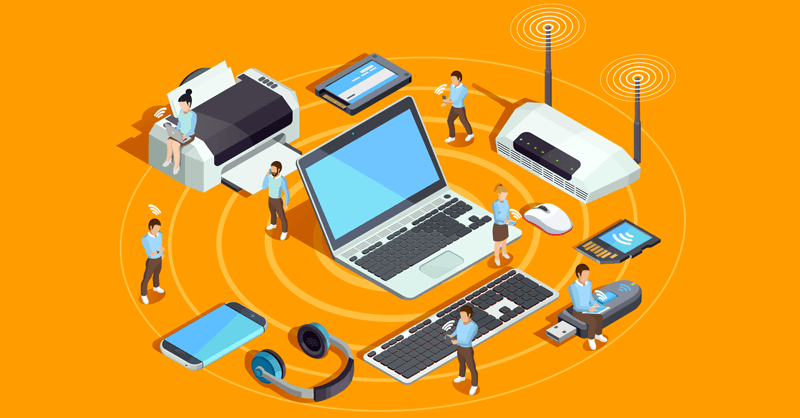
IT assets encompass hardware, software, systems, and digital resources that support business operations, communication, data management, and service delivery. They are essential for operational efficiency, cybersecurity, and productivity. Effective IT asset management allows organizations to track usage, control costs, maintain compliance, and optimize technology investments.
IT assets exist as physical and digital resources. Physical assets include computers, servers, networking devices, and mobile devices. Digital assets include software applications, operating systems, cloud services, licenses, and digital infrastructure. Organizations rely on these assets to manage data, automate processes, support communication, and maintain operational continuity.
Types of IT Assets
IT assets are typically grouped into hardware, software, and network or infrastructure categories. Hardware assets are physical devices that support IT operations, including desktop computers, laptops, servers, routers, switches, printers, storage devices, and mobile devices. They are essential for running software, storing data, and supporting communication systems. Regular maintenance, performance monitoring, and lifecycle tracking ensure reliability.y.
Software assets include operating systems, business applications, enterprise software, security programs, and subscription-based services. They are critical for efficient business operations. Organizations must manage licenses, monitor usage, and ensure compliance with agreements. Inadequate management can lead to unnecessary expenses and legal risks.
Network and infrastructure assets include servers, cloud platforms, virtual environments, data centers, and network systems that support connectivity and data storage. These assets enable secure communication, manage data transfer, and support digital operations. They are essential for system performance, data security, and business continuity.
Importance of IT Assets in Business Operations
IT assets drive digital transformation and enhance productivity. Businesses use them to automate workflows, manage customer information, support communication, and improve service delivery. Without proper management, organizations risk inefficiencies, security vulnerabilities, and increased technology costs.
Effective IT aEffective IT asset management provides visibility into inventory, usage, and performance. This allows organizations to optimize utilization, reduce unnecessary costs, and plan upgrades or replacements based on lifecycle data.ecycle Management
Each IT asset moves through procurement, deployment, maintenance, and retirement. Procurement involves acquiring assets based on operational needs. Deployment covers installation and configuration. Maintenance includes performance monitoring, updates, and repairs. Retirement occurs when assets become outdated, inefficient, or unsupporteManaging the IT asset lifecycle maximizes value and reduces operational risks. Proper management keeps assets secure, functional, and compliant with organizational policies and regulatory standards.rds.
Compliance and Security Considerations
IT assets are vital for maintaining cybersecurity and regulatory compliance. Organizations must ensure IT assets are properly configured, updated, and protected from security threats. Software licensing compliance is also critical, as organizations must adhere to licensing agreements and usage restrictions.
Accurate IT asset records strengthen security policies, track license usage, and support compliance audits. Structured management reduces cybersecurity risks and maintains data protection standards.
Conclusion
IT assets are essential for supporting technology infrastructure and operational performance. Hardware, software, and network systems help organizations manage data, automate processes, and maintain communication. Effective IT asset management ensures visibility, optimizes investments, improves cybersecurity, and supports compliance. Structured management practices enhance efficiency and maximize the value of technology.


 Feb 13, 2026
